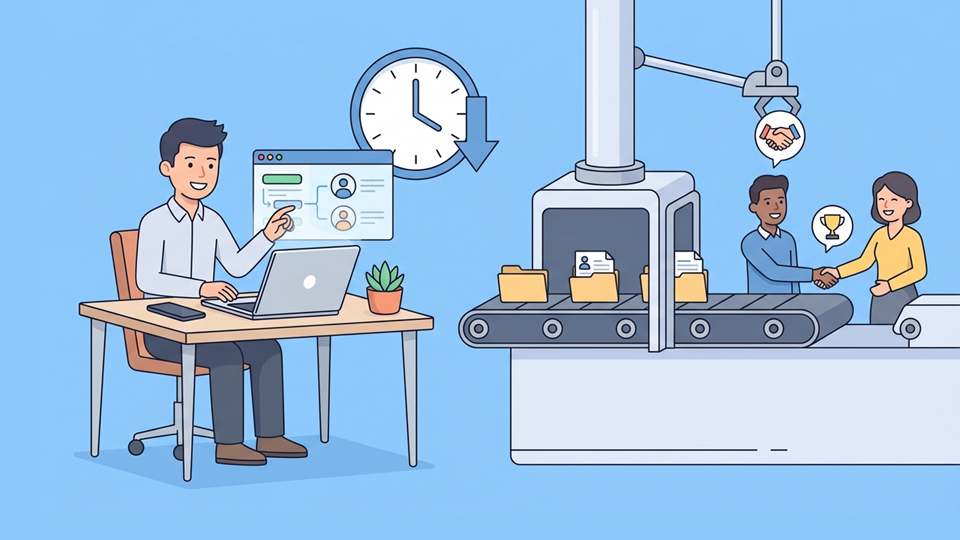
Leveraging Automation to Optimize Recruitment Velocity
In the current competitive landscape, talent acquisition teams are frequently burdened by manual tasks that inflate time to hire without necessarily improving the quality of candidate selection. To address this, organizations must shift toward high efficiency frameworks that prioritize automation and intelligent workflow design. By automating administrative heavy lifting, recruiters can pivot their focus to high value activities such as candidate relationship management and strategic interviewing. Statistics show that companies implementing automated screening tools can reduce their screening time by over 50 percent, allowing them to engage with top talent significantly faster than their competitors. This transition is not merely about speed, it is about creating a lean, responsive hiring machine that maintains human connection while utilizing data to make rapid, informed decisions.
Consider the impact of automated scheduling tools. A significant portion of a recruiter’s day is consumed by the back and forth of coordinating interview times across various stakeholders. By deploying self scheduling platforms, candidates gain the agency to choose time slots that work for them, while recruiters are instantly notified without having to perform manual entry. This small shift in process can save several hours per week per recruiter, which compounds across an entire talent acquisition department. When you multiply these time savings by the number of roles open at any given time, the cumulative effect on time to hire is substantial. Furthermore, this approach signals to the candidate that your organization is technologically forward thinking and respects their time, thereby enhancing your employer brand and attractiveness to top tier professionals.
Data driven sourcing serves as another critical pillar in the effort to shrink hiring cycles. Rather than blasting job postings to every available board, companies should focus their budget and effort on channels that have historically yielded the highest conversion rates. Analytics platforms can help identify exactly which sources produce candidates who make it to the final interview stage. By concentrating efforts on these specific pipelines, recruiters stop wasting time with low intent applications. This targeted strategy not only shortens the time to hire but also improves the overall quality of hire, as you are engaging with professionals who have a higher likelihood of aligning with your corporate culture and requirements.
Strategic Talent Pooling and Proactive Engagement
Proactive talent pooling, or building a pipeline of passive candidates, is often misunderstood as a time intensive burden for recruiters. However, when managed through a dedicated platform, it becomes a shortcut to faster hiring. When a new role opens, having a prequalified list of individuals who are already familiar with your organization eliminates the need to source, screen, and build rapport from scratch. The time spent sourcing upfront is effectively an investment that pays off during hiring surges. High growth companies that maintain active talent pools often report a 25 percent faster time to hire for critical roles, as they are essentially skipping the top half of the traditional recruitment funnel.
To keep these pools warm without overwhelming your recruiting team, focus on automated, periodic engagement. Content marketing strategies, such as sending quarterly company newsletters or industry insights directly to interested candidates, keep your brand top of mind. For example, if your company is making significant strides in AI research, sharing these achievements with potential hires demonstrates innovation and progress. This ensures that when a recruiter eventually reaches out, the candidate is already predisposed to consider an opportunity. This level of preparation turns a cold outreach call into a warm conversation, which is significantly faster and more likely to result in a hire than starting from ground zero.
Moreover, building a diverse talent network through employee advocacy programs can serve as a powerful multiplier. When your existing high performers refer their network, the trust factor is already established. Referred candidates have a significantly lower time to hire because the initial vetting process is expedited by the endorsement of an internal stakeholder. To scale this, implement an easy to use referral platform that gamifies the experience for employees. Providing clear rewards for successful referrals not only increases volume but also ensures that the quality of candidates remains high, further streamlining the transition from referral to interview and, ultimately, to the job offer phase.
Data Driven Decision Making and Process Refinement
To reduce time to hire effectively, you must first understand where your process currently bottlenecks. Implementing a robust dashboard that tracks time spent in every stage, from initial application to final offer acceptance, is non negotiable. You might find, for instance, that your team takes an average of four days to provide feedback after an initial screen, or that the final executive approval phase causes a ten day delay. Pinpointing these specific inefficiencies allows leadership to intervene decisively. In many cases, these delays are not caused by a lack of recruiter effort but by outdated process requirements that can be streamlined or removed entirely.
Once bottlenecks are identified, consider flattening your internal approval hierarchies. Does every single manager need to sign off on an offer, or can this be automated via a predefined salary band system? Simplifying your compensation approval process can shave days off your time to hire, allowing you to secure candidates before they receive competing offers. Speed is often the primary driver in winning candidates in a tight labor market. If you are waiting on internal signatures while your competitor is making an offer, you lose. By aligning stakeholders on pre approved offer structures, you empower your recruiters to act immediately, significantly improving the competitive posture of your firm.
Finally, consider how your organizational infrastructure integrates these various components. Zamdit provides the tools necessary to unify your recruitment workflows, ensuring that your team spends less time on administrative overhead and more time on the human elements of hiring. By centralizing your sourcing data, communication records, and interview feedback, you create a cohesive environment that drives efficiency and speed. When your systems communicate with each other, you eliminate the risk of duplicate work and manual data entry errors. Integrating a solution like Zamdit allows your organization to scale your hiring operations without the need to linearly increase headcount, positioning your firm for sustainable growth in the face of shifting market demands.