Introduction
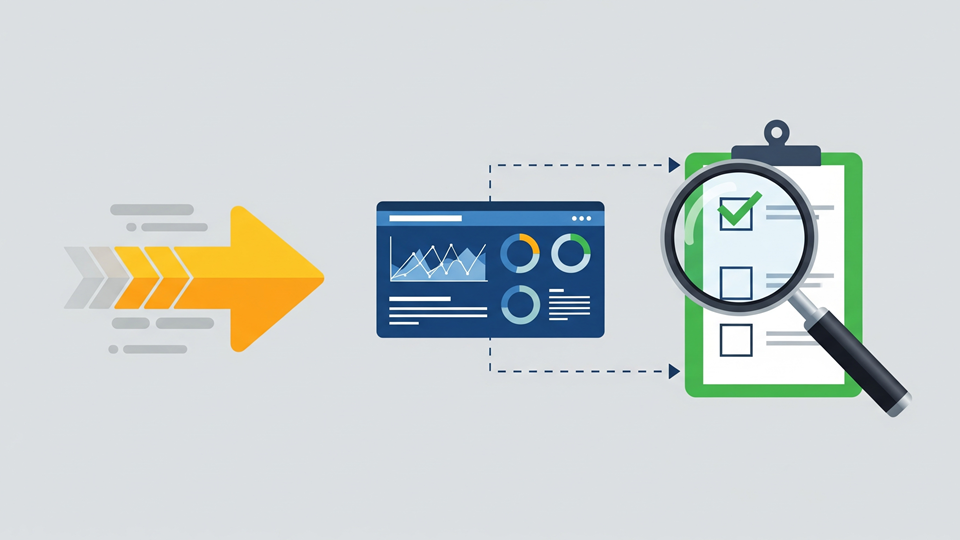
In 2026, predictive analytics is transforming the way organizations approach talent acquisition. By leveraging historical data, AI algorithms, and workforce trends, recruiters can anticipate hiring needs before they become urgent. This proactive approach reduces costs, shortens hiring cycles, and improves the quality of hires. In this article, we explore how predictive analytics works in hiring, its practical applications, and strategies for implementing it effectively.
1. Understanding Predictive Analytics in Recruitment
Predictive analytics involves analyzing historical and current data to forecast future outcomes. In recruitment, this means using data from past hiring patterns, employee performance, turnover rates, and market trends to anticipate which roles will be needed and when. For example, if historical data shows that the sales department typically requires five additional representatives each year, predictive analytics can signal the need to start recruiting before the vacancy becomes critical.
Tip: Start by collecting comprehensive data across departments, including time-to-fill metrics, retention rates, and candidate source effectiveness. Accurate and clean data is crucial for reliable predictions.
2. Key Data Sources and Metrics
Successful predictive analytics depends on identifying the right data sources and metrics. Common sources include:
- Internal HR systems tracking employee tenure, promotions, and exits
- Applicant tracking systems recording time-to-hire, candidate pipelines, and recruitment sources
- Market intelligence data showing labor trends and skill demand
Important metrics include turnover rate, time-to-fill, candidate quality scores, and employee performance indicators. Monitoring these metrics over time allows recruiters to identify patterns and predict future hiring needs. For example, a sudden rise in voluntary departures among mid-level engineers may indicate an impending need to recruit replacements in the next quarter.
3. Benefits of Predictive Analytics in Hiring
Implementing predictive analytics provides multiple advantages. Organizations can optimize workforce planning, reduce costs associated with reactive hiring, and improve candidate experience by engaging proactively. According to industry surveys, companies using predictive hiring analytics reduce time-to-hire by up to 20 percent and improve employee retention by 15 percent.
Example: A company using predictive analytics identified that seasonal demand for customer service representatives peaks every November. By forecasting this trend, HR started sourcing and screening candidates in September, ensuring a fully staffed team before peak demand, avoiding overtime costs and service delays.
Tip: Integrate predictive insights with talent pools and succession planning. By maintaining a pipeline of qualified candidates, recruiters can respond quickly to changes in workforce needs.
4. Tools and Technologies
Modern recruitment platforms like Zamdit provide built-in predictive analytics capabilities. These tools use machine learning to analyze historical hiring data and market trends, generating forecasts for workforce planning. They can identify which roles are likely to experience high turnover, which sources yield the best candidates, and which hiring channels provide faster placement.
Example: Using AI algorithms, Zamdit can score candidate pipelines, highlighting high-potential candidates who are likely to succeed in specific roles based on historical performance patterns. This helps recruiters prioritize outreach and reduce time spent on low-fit candidates.
Tip: Combine predictive analytics with CRM systems to track engagement, candidate interactions, and hiring outcomes. The more comprehensive the data, the more accurate the forecasts.
5. Challenges and Best Practices
While predictive analytics offers significant advantages, there are challenges to consider. Data quality is a primary concern; incomplete or inaccurate data can lead to misleading predictions. Bias in historical data can also affect algorithm outcomes, potentially reinforcing inequities in hiring.
Best practices include regular auditing of analytics models, ensuring diverse data inputs, and maintaining transparency in decision-making. Engage HR and legal teams to review predictive insights and avoid unintended bias or regulatory issues.
Example: A company noticed that its predictive model favored candidates from certain universities due to historical hiring patterns. By adjusting the algorithm to include a wider range of educational backgrounds, it improved diversity and reduced bias in hiring recommendations.
Conclusion
Predictive analytics is a powerful tool for anticipating talent needs and improving recruitment outcomes. By leveraging historical data, identifying key metrics, and using advanced analytics platforms like Zamdit, organizations can proactively plan hiring, reduce costs, and enhance candidate experience. Adopting predictive hiring practices positions companies to stay competitive in a rapidly evolving labor market while ensuring fair and efficient recruitment processes.